 RFE/RL Headlines 8/5/2009 5:49:47 PM A daily digest of the English-language news and analysis written by the staff of Radio Free Europe/Radio Liberty |
| News  New Politkovskaya Trial Opens In Russia New Politkovskaya Trial Opens In Russia A Moscow court has begun hearing a new trial into the murder of Russian journalist Anna Politkovskaya. The retrial comes after the Supreme Court overturned acquittal verdicts in what critics say was a botched first process. More  Clinton's North Korea Visit Could Revive Six-Party Talks Clinton's North Korea Visit Could Revive Six-Party Talks It's mission accomplished for former U.S. President Bill Clinton, who flew back to the United States with two American women journalists freed by North Korea. But what did Kim receive in return for his gesture of pardoning the women from 12 years of hard labor? The short answer to the question is the presence of Bill Clinton himself. More An Uzbek asylum seeker and his 11-year-old son may have been forcibly returned from Kyrgyzstan to Uzbekistan where they face the risk of abuse, Human Rights Watch has said. More  Ahmadinejad Takes Oath Before Parliament Ahmadinejad Takes Oath Before Parliament Mahmud Ahmadinejad is sworn in for a second term as Iran's president. Afterward, he urges Iranians to "join hands" but warns his government will "not tolerate disrespect, interference, and insults." The scene outside is a clear reminder that the controversy over his reelection has not gone away. More Azerbaijani Dies During Confrontation With Police Police in the Azerbaijani capital have been accused of beating a 55-year-old man to death, although police insist he died of a heart attack, RFE/RL's Azerbaijani Service reported. More Iraq's National Investment Commission and the Planning Ministry have submitted a bill to parliament allowing foreign land ownership for the first time, RFE/RL's Radio Free Iraq reports. More The amendment, passed by the Abkhaz parliament on July 31, would allow Georgians who returned to the Gali district before 2005 to be able to get "Abkhaz citizenship." More  Armenian Journalist With Brain Tumor Released From Prison Armenian Journalist With Brain Tumor Released From Prison Arman Babajanian's release came hours after a state commission empowered to grant parole discussed his worsening health and decided to let him undergo urgent treatment at a civilian hospital. More Tajik security forces removed five checkpoints in the eastern Tavil-Dara district in a sign of improved security in that part of the country, RFE/RL's Tajik Service reports. More Blogger and historical essayist Sergei Orlov has been detained along with three others by police in Bashkortostan's capital for alleged extremism, RFE/RL's Tatar-Bashkir Service reports. More  Putin The Rainmaker Putin The Rainmaker No wonder Russians love Prime Minister Vladimir Putin. He fixed the economy, paid off Russia’s foreign debt, got the country off its knees, and so on and so on. Now he’s been waving his magic wand in Orenburg Oblast. More 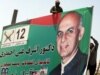 Afghanistan's Unlikely Politician On The Campaign Trail Afghanistan's Unlikely Politician On The Campaign Trail A former academic and World Bank executive who was once in the running to head the bank and the UN is introducing a new kind of politics in Afghanistan. In a country ravaged by foreign invasions and internal friction, presidential candidate Ashraf Ghani is running on a broad reform agenda with a manifesto of a prosperous, peaceful future. More 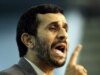 Ahmadinejad's Special Brand Of Mysticism Ahmadinejad's Special Brand Of Mysticism The president’s first term was largely about completing the hard-line backlash, approved by the Supreme Leader, against the reformist camp led by former President Mohammad Khatami. And Ahmadinejad did the job thoroughly. But now Ahmadinejad begins his second term immediately after feuding with the Supreme Leader. At issue was Khamenei’s backing of conservative demands that the president dismiss a top aide. More 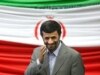 Hurdles Ahead Hurdles Ahead Iran's President Mahmud Ahmadinejad began his second term with a call for national unity, even as protesters clashed with security forces outside. With his position already weakened as a result of the postelection crisis, it appears he can expect more such difficulties in the coming weeks and months. More 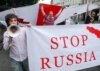 Year After War: A New Reality, But Old Relations Year After War: A New Reality, But Old Relations A year ago the rumbling of Russian tanks in the Caucasus sent shock waves around the world. Moscow argued that the crisis demonstrated the collapse of post-Cold War security structures. NATO, the EU, and the U.S. struggled to respond to the rapidly changing situation on the ground. But 12 months later, specialists say, surprisingly little has changed. More |

